Pay attention to the scale If daily weigh-ins feel stressful, talk with your health care provider about a monitoring schedule that works for you
Healthcare Radius

What Lab Testing May Reveal Electrolyte changes associated with vomiting, diarrhea, or inadequate intake Changes in creatinine, estimated glomerular filtration rate, or BUN that may accompany dehydration or kidney stress Liver-enzyme or bilirubin patterns that warrant further evaluation Anemia or other blood-count changes Glucose and A1C trends Cholesterol and triglyceride changes Low iron stores or selected vitamin deficiencies Cardiometabolic and inflammatory patterns Evidence of a specific heavy-metal exposure when the correct test is selected What Lab Testing Cannot Reveal Routine lab testing cannot: Diagnose a generalized toxin release or detox reaction Show how much of a persistent organic pollutant was released from fat Prove that headaches, fatigue, or brain fog were caused by an environmental chemical Measure hydration or nutritional status perfectly from one result Directly measure muscle loss Rule out gallstones or pancreatitis solely because routine blood results are normal Replace a physical examination, imaging, or medication assessment A Comprehensive Metabolic Panel (CMP), Complete Blood Count with Differential and Platelets, vitamin panel, or Heavy Metals Blood Test Panel does not measure the persistent organic pollutants most often discussed in fat-storage studies

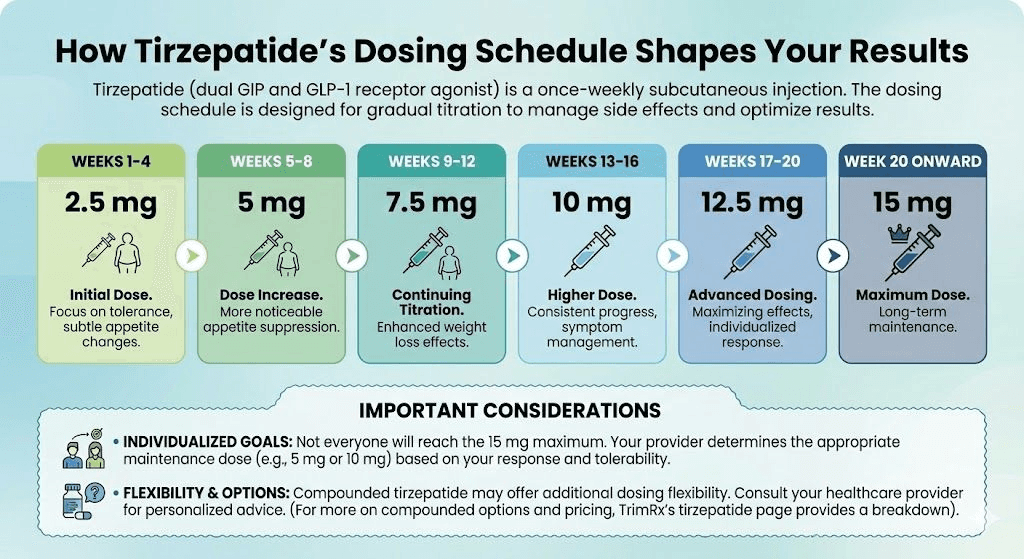
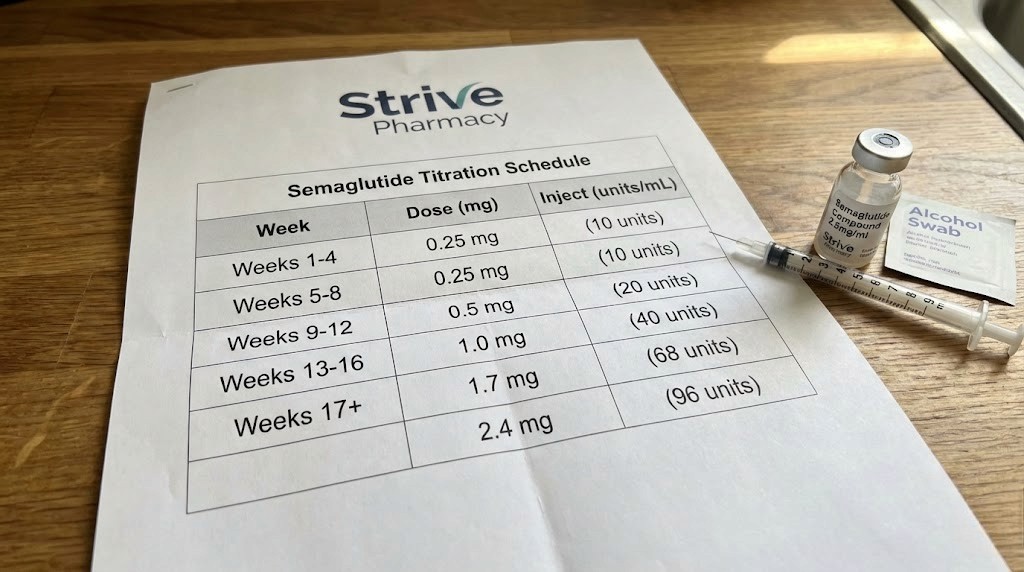
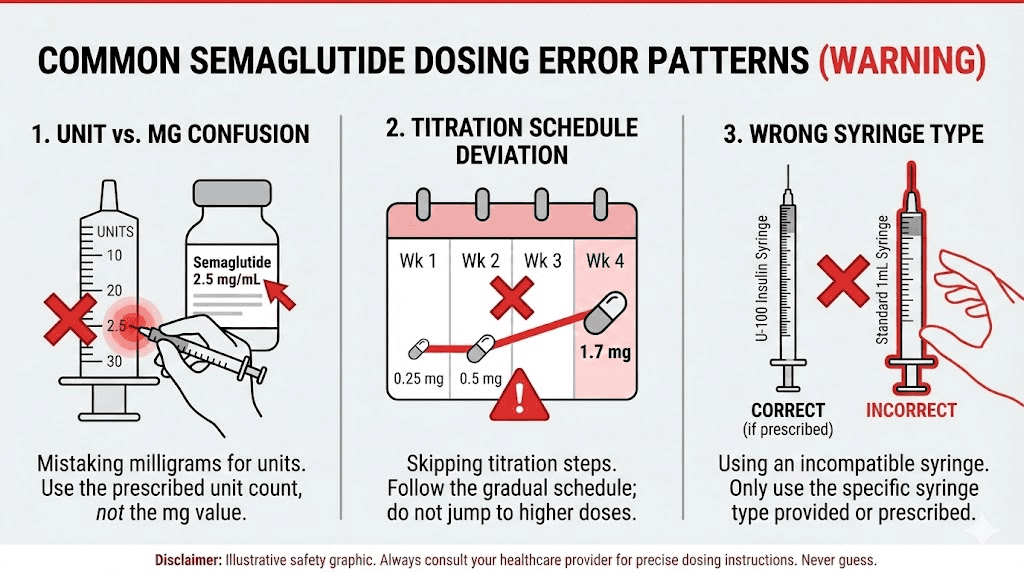
Switching between compounding pharmacies without recalculating your units is one of the most common causes of accidental overdose
Wegovy pill is Novo Nordisks newest GLP1 medication, designed to support weight management alongside diet and exercise